






Susan is a deeply experienced PACE and senior care leader, having previously served as Director of PACE at Franciscan Alliance and Deputy Director at Indiana Division of Aging. She has MBAs from UC Berkeley and Columbia University and a BA in International Business and Spanish from Dominican University in River Forest, IL. Chioma is a passionate and dedicated Geriatric Nurse Practitioner with five years of nursing experience in critical and transitional care. She is known for taking new hires and students under her wing, teaching them what she’s learned. When not working at WelbeHealth, Dr Robinson enjoys time with his family and hitting Substance abuse the occasional ace on the tennis court.
- Foods rich in omega-3s, B vitamins, and antioxidants help heal the brain.
- Mindfulness practices, such as meditation and deep breathing exercises, are effective for clearing mental fog.
- Another condition to be aware of is Wernicke-Korsakoff syndrome, a severe form of alcohol-related brain damage caused by thiamine (vitamin B1) deficiency.
- The lower cognitive performance due to dehydration from alcohol consumption often extends into the next day.
- Contact Asana Recovery today and take the first step toward clarity and healing.
- Medical detox ensures the body clears alcohol safely, while residential treatment provides structure for the brain to heal.
The Recovery Process: Clearing the Fog
This is because https://ignitedbrands.com/2022/08/11/etoh-medical-abbreviation-understanding-the/ it can lead to dehydration, which can cause feelings of confusion and fatigue. Abstinence can often reverse the harm that drinking may do to the brain. Seeking treatment and maintaining sobriety is essential to prevent relapse and keep your cognitive function on the rise. Alcohol dependence happens when our brain chemistry adapts to the presence of alcohol, leading to a reliance on it to feel ‘normal’. This dependence plays a significant role in the intensity and duration of brain fog during withdrawal. The more prolonged and heavier the alcohol use, the greater the probability that the brain fog will remain for a longer time.
What causes brain fog after drinking?
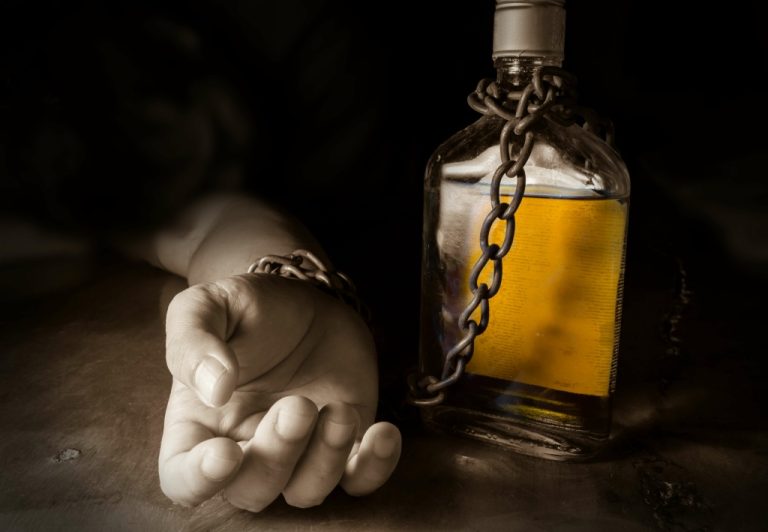
Brain fog isn’t a medical term, but it perfectly describes a state of mental confusion and lack of clarity. We might experience difficulty concentrating, forgetfulness, or just a general feeling of being ‘off’. It’s more than just being tired; it’s a noticeable impairment in our cognitive function. It can be caused by a lot of things, but today we’re focusing on the link between alcohol and brain fog. There isn’t a specific timeframe as to how long you’ll experience brain fog.
Duration of Symptoms

Dr. Raman’s four decades spent caring for patients of all ages shines through in his work at WelbeHealth. Participants and families know they can trust him as an experienced, knowledgeable provider. In addition to primary care, his medical specialties include general brain fog after drinking and vascular surgery. This hands-on vascular expertise helps him assist seniors in managing conditions that affect arteries and veins. Megan has provided care in various settings over the last 15 years, working in clinics, telehealth, home health and skilled nursing facilities.
